The Brutalist
design, prototyping
material technology
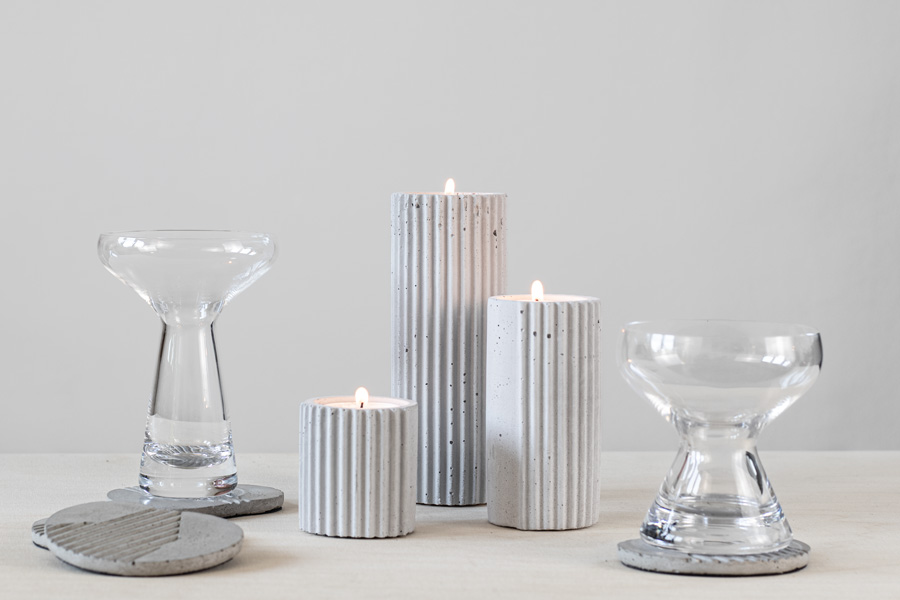
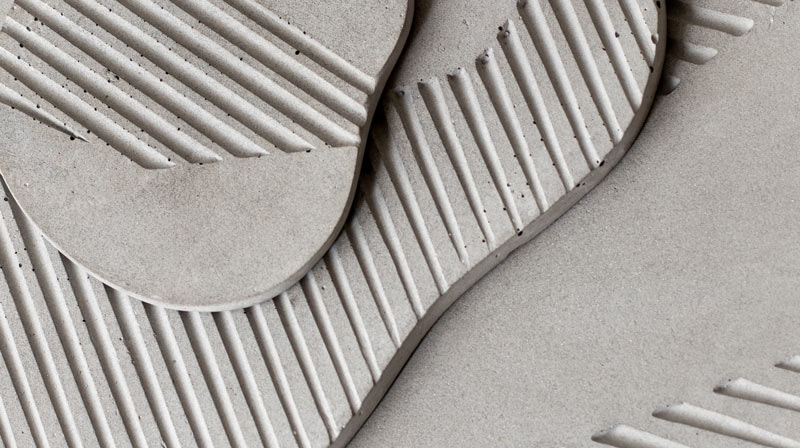
Brutalist Concrete Home DECOR Collection
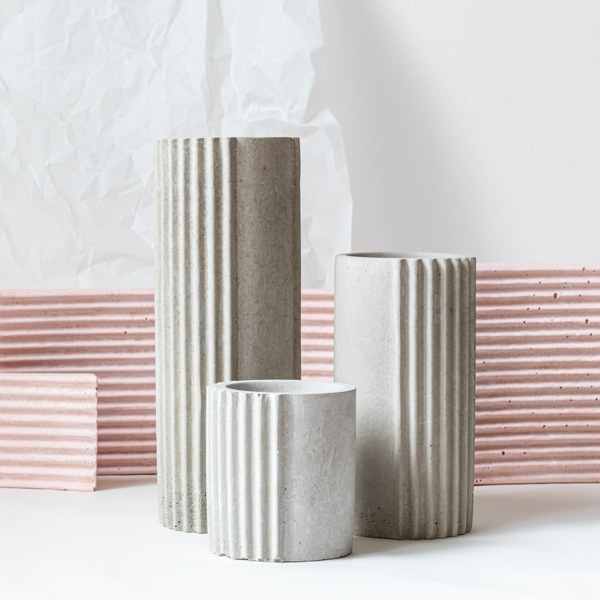
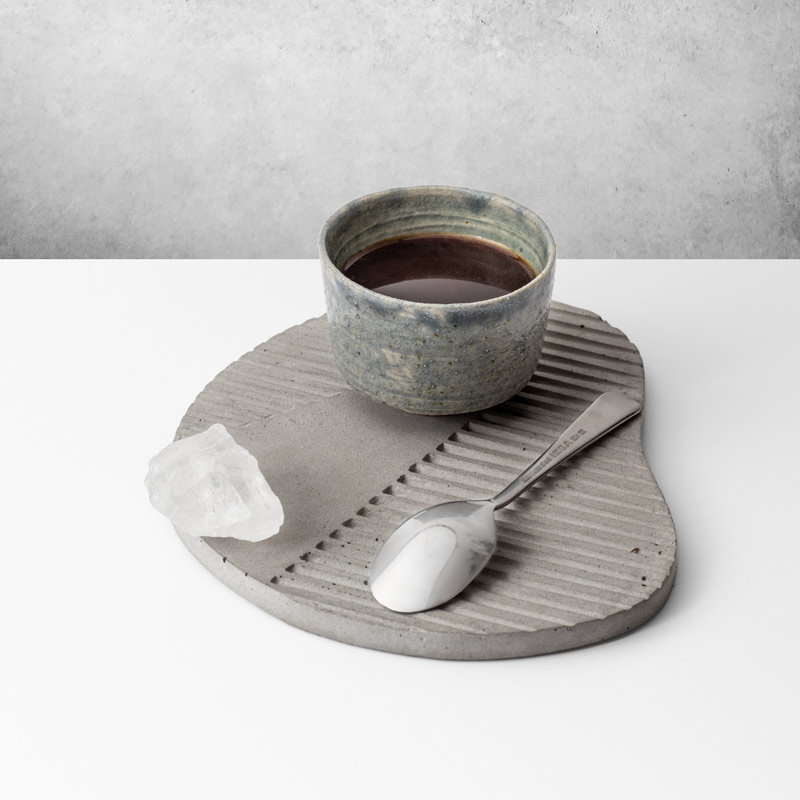
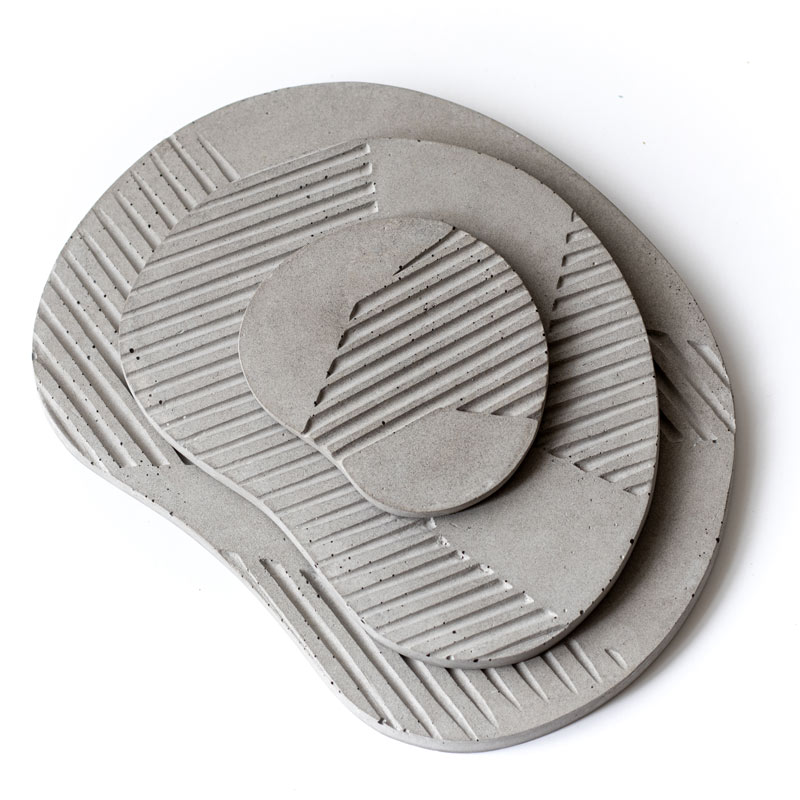
This home decor collection, consisting of a tealight holder, a coaster set and a set of trays, was inspired by the Telecommunications Center and Post Office building in Skopje. The iconic architectural complex was designed by Janko Konstantinov, an architect who returned to his homeland after the devastating earthquake of 1963 to contribute to the city’s reconstruction, supported by 90 nations. The winning design for the city’s urban redevelopment plan was submitted by Kenzo Tange, a Japanese Brutalist and Metabolist architect.
Unfortunately, many of these buildings have since fallen victim to neglect and new urban planning approaches, leaving a void in Skopje’s architectural heritage.
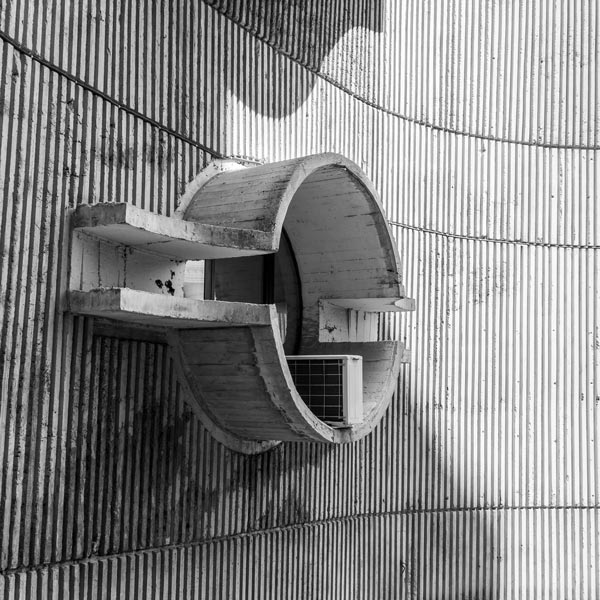
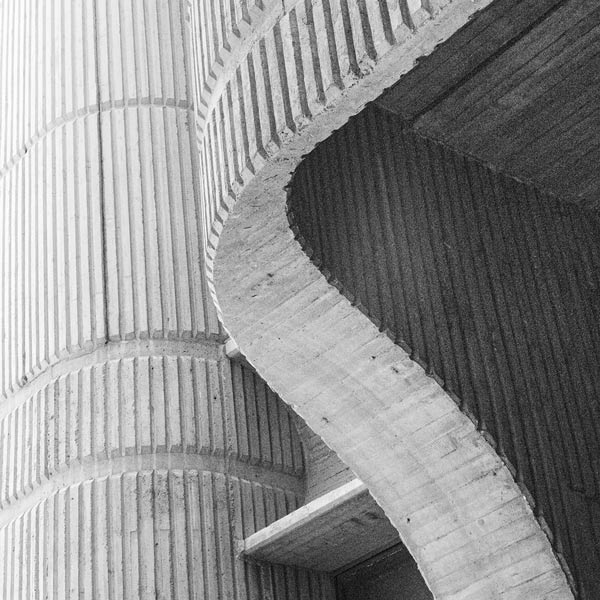
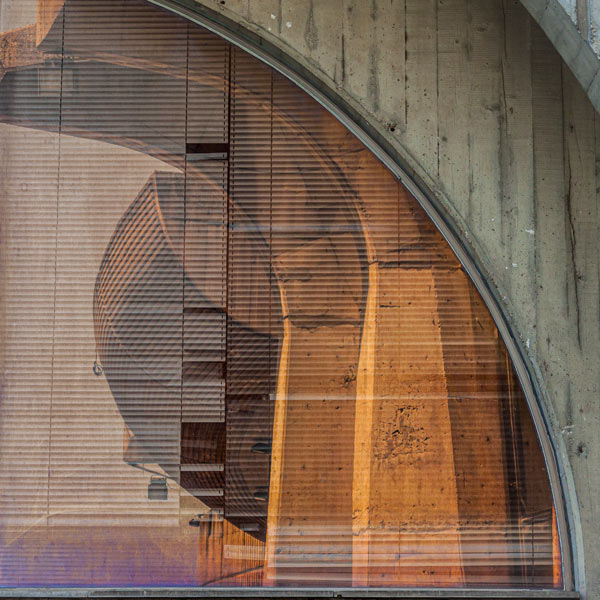
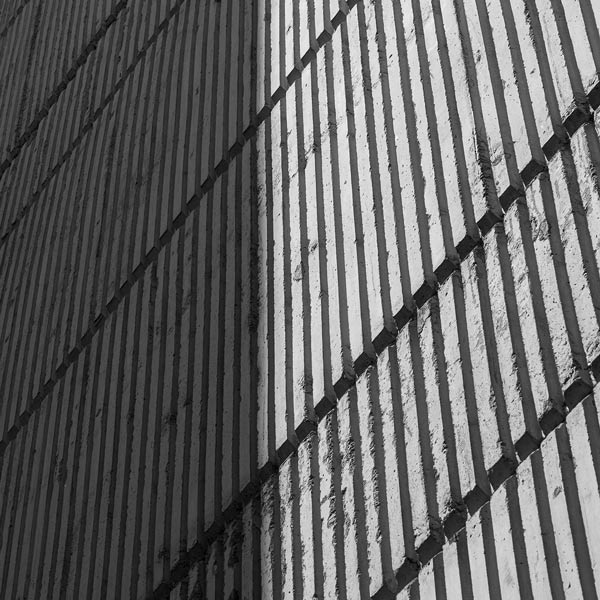
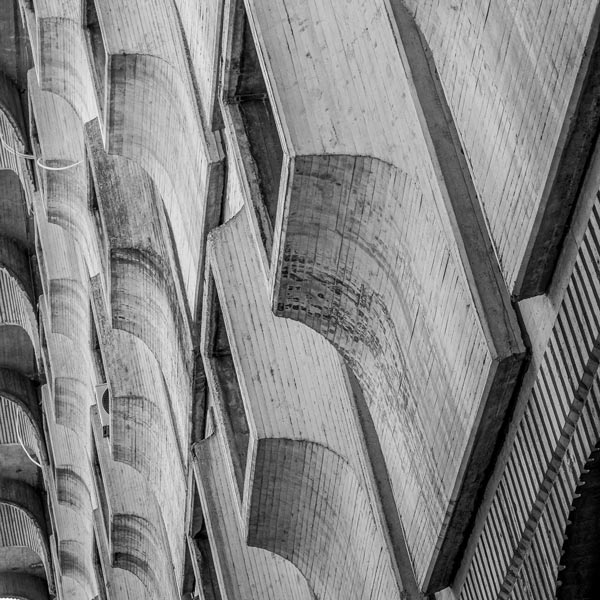
Photos of Janko Konstantinov’s Telecommunication and post office building in Skopje, Macedonia. By Boglárka Mázsi
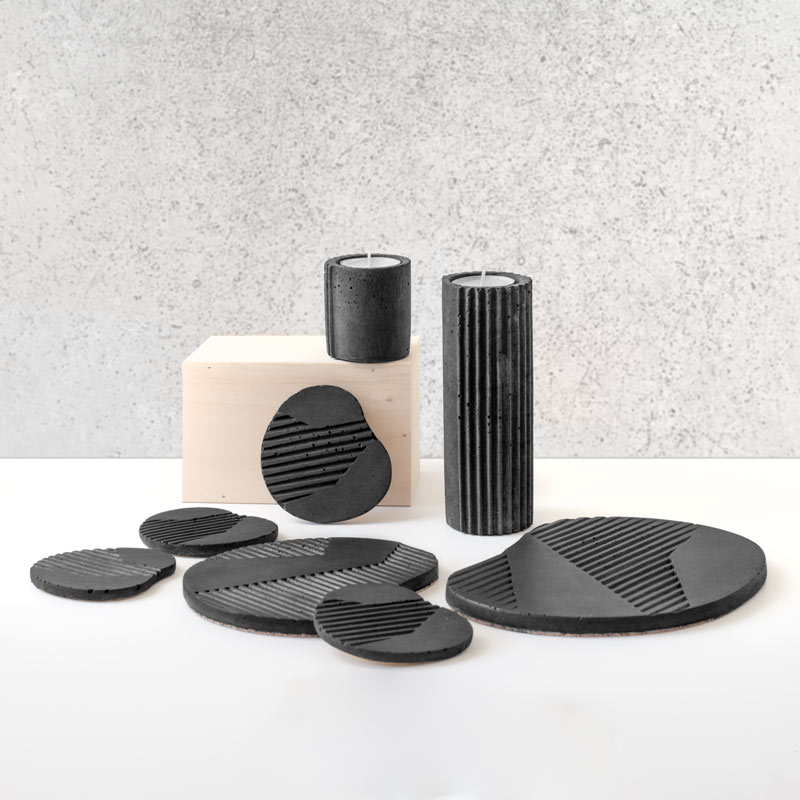
Project Key Features
Personal Connection to the Place and Forms
Drawing inspiration from the emotional and architectural significance of Skopje’s Brutalist heritage.
Tactile Surface Development
Striking a balance between smooth, satin-like finishes and structured, textured surfaces.
Heat-Resistant Material Development
Creating a specialized concrete recipe to ensure the coasters are durable and heat-resistant.
Modeling and Experimentation
Exploring design possibilities through hand-carved prototypes and iterative experimentation.
Core and Casting Form Design
Designing precise molds to achieve the envisioned shapes and intricate surface details.
Production
Transforming experimental concepts into functional, high-quality products for everyday use.
Personal Encounters with Janko Konstantinov’s Brutalist Buildings
I visited Skopje twice. The first time was in my early twenties when I attended an international cultural exchange. At the time, I had no professional connection to the world of design or architecture, yet these buildings made an inexplicably profound impression on me from the very first moment.
My second visit, over 15 years later, was as a designer. I planned the trip with the sole purpose of showing these architectural masterpieces to my partner. What awaited me was a shocking transformation of the cityscape. Many iconic buildings were gone, replaced by structures that felt visually and structurally out of place—more like theatrical props than architectural landmarks.
An Unexpected Encounter Near the Post Office
We arrived in the city at dusk and decided to head straight to the Post Office, imagining it would be particularly striking under evening lights. Little did we know how naive we were—the building was shrouded in complete darkness.
Our wandering caught the attention of a night guard from a nearby building, who understandably asked what we were doing there so late. When we explained our purpose, his face lit up with joy. He was delighted to hear that there were still people who appreciated these buildings. What followed was a heartfelt, half-hour conversation about the city’s Brutalist architectural heritage and its current state.
These buildings’ ability to connect three strangers on a dark evening—despite language barriers—proves their enduring significance. Their mere existence continues to bring people together and spark meaningful conversations.